Fire Pits and Patio Heaters Beside Artificial Turf in Tucson: November Embers, Ash, and Melted Blades
Why a glossy patch beside a Tucson fire pit in November is melted plastic, not dust, and how to keep embers and ash out of the infill.
Key Takeaways & Quick Summary
- Tucson Fire's June 22, 2023 bulletin says a portable outdoor fireplace follows the manufacturer and shall not be operated within 15 feet of a structure or combustible material. A recreational fire that is not in a fireplace, grill, or pit stays 25 feet away, with fuel no bigger than 3 feet across and 2 feet high, and it cannot burn cut vegetation, waste, or rubbish.
- NFPA's educational guidance puts a fire pit at least 10 feet from anything that can burn, on patio blocks, brick, or concrete, off the grass, and behind a screen. That 10 feet is guidance. Inside Tucson the bulletin's 15 and 25 feet apply, and the manual wins if it asks for more.
- The EPA says ashes go in a covered metal container stored outdoors on a nonflammable surface, and not to burn trash, treated wood, plywood, or plastic. NFPA says to move the ashes only after they have cooled, into a lidded metal can kept away from anything that can burn.
- Ash in the infill can be power-broomed and extracted. Fused, glossy tips are melted and will not stand back up. Cleaning does not move the pit, and it is not a burn permit.
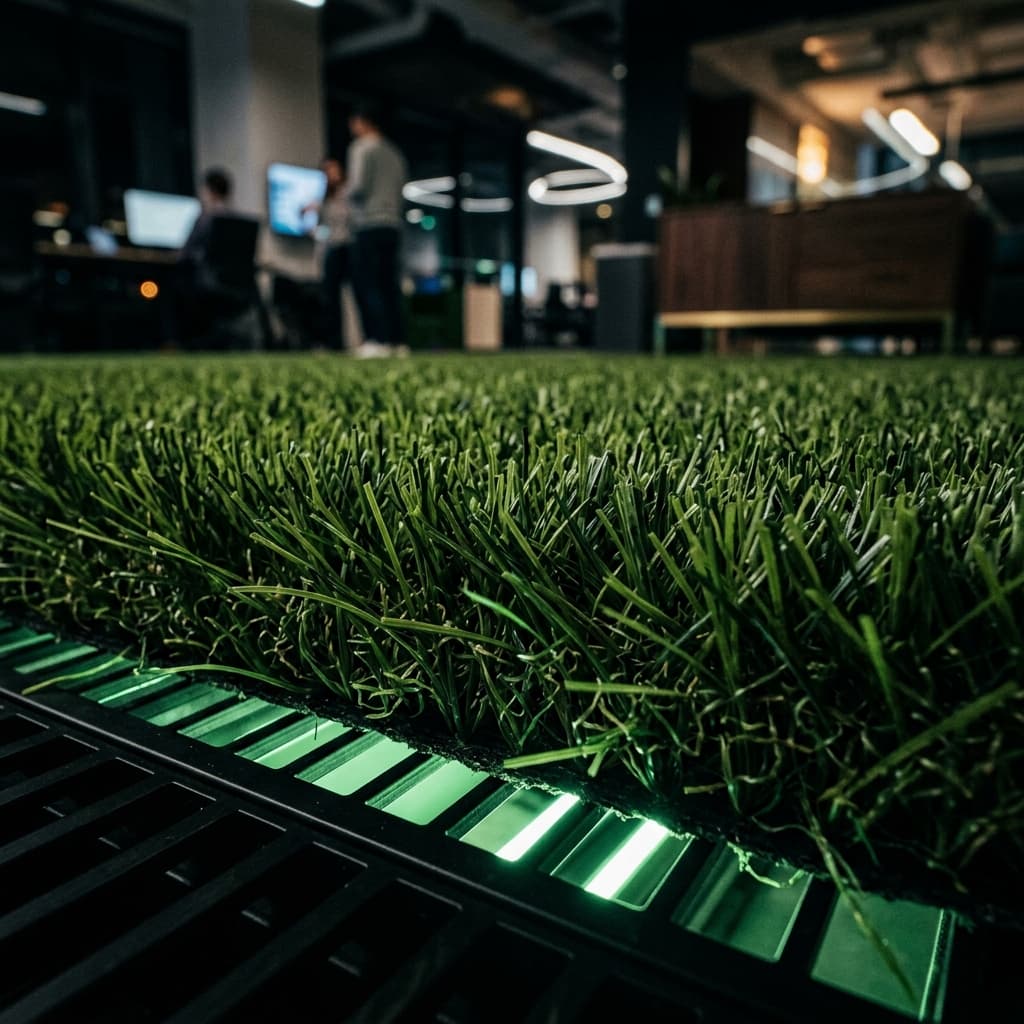
A shiny scar beside the fire bowl is not dust. Dust in a Tucson yard is a gray film over the whole lawn. This patch is small. It sits where the chairs face the pit, and the blade tips there are glossy, curled, and stuck together. Pinch one. It does not spring back. It has melted.
Mid-November is when that scar shows up. Afternoons are still warm enough to sit outside, and the evenings are cool enough that the bowl comes off the side of the house. Courtyard lawns in Dove Mountain, patio yards in Vail, and the block-wall patios in the Catalina Foothills get it first. The bowl spent the summer on concrete. On the first cool Saturday it goes on the turf, because that is where the chairs already are.
1. Tucson Fire Already Printed the Clearance
The Tucson Fire Department bulletin Open Burning and Portable Outdoor Fireplaces (revised June 22, 2023) is the local sheet. A portable outdoor fireplace has to follow the manufacturer's instructions, and it shall not be operated within 15 feet of a structure or combustible material. A recreational fire, in that bulletin, is an outdoor fire that is not in an incinerator, outdoor fireplace, portable outdoor fireplace, barbecue grill, or barbecue pit, with a fuel area of 3 feet or less across and 2 feet or less high. That fire shall not be conducted within 25 feet of a structure or combustible material. The bulletin prohibits burning dead or cut vegetation, waste material, or rubbish in it. A bonfire shall not be conducted in Tucson Fire's jurisdiction.
Those fires have to be attended until they are out, with a portable extinguisher of at least a 4-A rating, or dirt, sand, a water barrel, a garden hose, or a water truck on site.
That distance is measured to a structure or to combustible material. The blades are plastic. An ember that stays melts the tip, and several of them fuse a patch. The lawn is not a hearth.
Outside the city, the district may read the code differently. The National Fire Protection Association's guidance on fire pits and outdoor fires says to check the local fire department before you burn, because the rules differ by town, and that an enforced code is law while educational guidance is not. NFPA's fire-pit tips are the ones that protect the grass. Use the pit outdoors, at least 10 feet from anything that can burn, on patio blocks, bricks, or concrete. Keep it off grass and other vegetation, and out from under eaves and overhanging branches. Use a screen so sparks, embers, and ash stay in the bowl.
Ten feet is that educational minimum. Fifteen is Tucson Fire's number for a portable outdoor fireplace, and 25 is its number for a recreational fire that is not in one. If the manual asks for more, follow the manual.
2. An Ember Scar and a Sun Scar Look Alike
A blade an ember landed on looks like a blade the low-E glass cooked. The tip shrinks, the face goes shiny, and the neighbors fuse. How reflected sun does that along a window is in our guide to low-E window glare. A fire does it in one evening, in one spot.
Part the blades before you treat anything.
- Fused, glossy tips in a patch about the size of a hand, with normal blades a step away, are melt. A broom will not stand them up. The plastic has changed shape.
- Gray powder in the sand, with the blades still soft, is ash. It sifts to the backing the way caliche dust does.
- A black smear that smells like smoke, with flexible tips, is soot on the fiber. Soot sits on the blade. Ash sits in the sand.
A propane heater pointed into the pile can curl those same tips with no ember at all. The Tucson bulletin covers open flame. A gas unit follows its own manual. Do not aim the reflector into the lawn. Do not stand the cylinder on the turf.
3. Ash Goes in a Metal Can
The U.S. Environmental Protection Agency's best wood-burning practices say to put ashes in a covered metal container and store that container outdoors on a nonflammable surface. It also says not to burn household trash, treated wood, plywood, or plastic. For a backyard bowl, NFPA says to put the fire out, then move cooled ashes into a lidded metal container kept away from anything that can burn. In a wood-burning pit, burn only clean, dry, seasoned hardwood.
The can is not a topdressing. Dumped on the blades, the powder works into the infill. A hose turns it into paste and pushes it into the weep holes. Ash does not dissolve, and a light winter shower will not carry it out. A hose is already a poor cleaner for a Tucson lawn, as our fall and winter turf care guide covers. On ash it is worse, because the water mixes a powder that belonged in the can.
Let the bowl go cold on the concrete or the pavers, then scoop the ash into the metal can. Do not kick the bowl so the powder falls between the blades, and do not empty the can where a dog walks or where a planter drains onto the turf.
4. Set the Bowl Before You Light It
Do this while the pit is empty.
- Set it on patio blocks, brick, or concrete. If the pad is small, move the chairs. Do not move the fire onto the lawn so the chairs can stay.
- Inside the city, measure first. Fifteen feet for a portable outdoor fireplace. Twenty-five for a recreational fire that is not in one. Count the house, the wood fence, the eaves, and the dry brush on the wall, and give the lawn that same berth.
- Put the screen on before you light it.
- Keep the hose, the sand, or the extinguisher at the fire, and keep a dripping nozzle off the grass.
- Pull dry pods and thorny twigs out from under the bowl. They are fuel.
- Keep children and pets back. NFPA's note puts them at least three feet from the pit. A dog bed in the warm sand beside the bowl is in the ember path. Move the bed onto the concrete.
Stay until the fire is out. Leaving earlier is how a spark reaches the fence or the lawn.
5. When the Scar or the Powder Is Already There
If the tips are fused, stop brushing. A broom snaps the shrunk fiber and drives the pieces into the infill. That patch will not stand up. Say so when you request a quote. Ash in the sand can be extracted. A melted tuft is a repair for the installer. Cleaning does not un-melt plastic, and it does not move the pit.
If the blades are still soft and the sand along the chairs is gray, the ash is in the pile. A blower takes loose powder off the tips and leaves the rest. Power brooming opens the sand, and extraction lifts the ash. An artificial turf cleaning is that visit. On patio yards in Oro Valley, artificial turf cleaning after a month of evening fires is often this gray band plus the dust already in the same sand. Book it after the bowl is back on the concrete.
A single gray strip, with the rest of the lawn still upright, fits the service packages. The Turf Tune-Up starts at $150 and Refresh+ at $195, each up to 300 square feet. A yard that hosts a fire most cool weekends stays ahead of the ash on a maintenance plan. The plan is for the sand and the blades. It is not a burn permit.
What Not to Do
- Do not set the bowl, the chiminea, or the propane cylinder on the turf.
- Do not treat 10 feet as the Tucson rule. That is NFPA's educational minimum. Tucson Fire prints 15 feet for a portable outdoor fireplace and 25 feet for a recreational fire.
- Do not burn trash, treated lumber, plastic, or cut vegetation in the bowl.
- Do not hose live coals across the lawn. Extinguish on the pad. Wet ash packs into the weep holes.
- Do not dump the ash can on the grass.
- Do not aim a patio heater into the pile, and do not drag a hot bowl across the blades.
- Do not wait on a winter rain. The powder is already in the sand.
Move the pit onto the pad before the next Saturday. If the chair line in Dove Mountain, Oro Valley, Vail, or anywhere else in the Tucson metro is already glossy or gray underfoot, say which one you are seeing when you call 520-248-3478.
Frequently Asked Questions
Can I put a fire pit directly on artificial turf?
No. Tucson Fire says a portable outdoor fireplace shall not be operated within 15 feet of a structure or combustible material, and it has to follow the manufacturer's instructions. NFPA says to set a fire pit on patio blocks, brick, or concrete and keep it off the grass. An ember that stays on the blades melts them.
Is 10 feet of clearance enough for a fire pit in Tucson?
Ten feet is NFPA's educational minimum, and NFPA says an enforced code is the law while guidance is not. Tucson Fire's bulletin says 15 feet for a portable outdoor fireplace and 25 feet for a recreational fire that is not contained in one. Use the bulletin inside the city, the manual if it asks for more, and the local fire district outside the city.
Will hosing out the coals hurt the artificial grass?
Keep a hose, sand, or an extinguisher at the fire, which the Tucson bulletin requires, and put the fire out on the pad. Water pushed across the turf drives wet ash into the infill. Let the ash cool, then put it in a covered metal container. Do not dump that can on the grass.
Can turf cleaning repair blades a spark melted?
Extraction lifts ash out of the sand. A fused, glossy tip has already changed shape, and brushing it snaps the fiber into the infill. That piece is a repair for the installer. When you book, say whether you are seeing ash, melted tips, or both.
Veteran-owned and operated synthetic grass restoration specialists serving Tucson, Oro Valley, Marana, Catalina Foothills, Sahuarita, and all of Pima County, AZ. Backed by our 7-Day 100% Odor Elimination Guarantee.