Javelina at the Edge of Artificial Turf in Tucson: Rolled Lips, Pet Bowls, and Thanksgiving Scraps
Why a rolled turf edge and a knocked-over bowl in a Tucson yard the week of Thanksgiving is a javelina herd, and how to keep scraps, bulbs, and pet food off the lawn.
Key Takeaways & Quick Summary
- Saguaro National Park says a javelina is a collared peccary, Pecari tajacu, in a family related to pigs, with an average herd of 12. Eyesight is poor, smell is excellent, and a scent gland above the tail leaves a musky odor. They are active during the cooler parts of the day.
- The same park page says they eat roots, mesquite beans, cactus, and flowers, and that a herd in a yard tears up flowerbeds and gets into garbage. Hand feeding makes them lose their fear of people. A baby that looks abandoned should be left alone.
- University of Arizona Cooperative Extension publication az1481c (October 2009) says intentionally feeding wildlife, except birds and tree squirrels, is a petty offense in Pima and Maricopa Counties, with a fine up to $300. Pet food, edible garbage, and bird seed on the ground are the attractants it names.
- The extension's August 30, 2022 javelina sheet says a sturdy four-foot fence is the most effective exclusion, that dogs can be seriously injured or killed, and that javelina may not be harmed or hunted without a license. Soil on intact turf can be extracted. A torn seam is an installer repair.
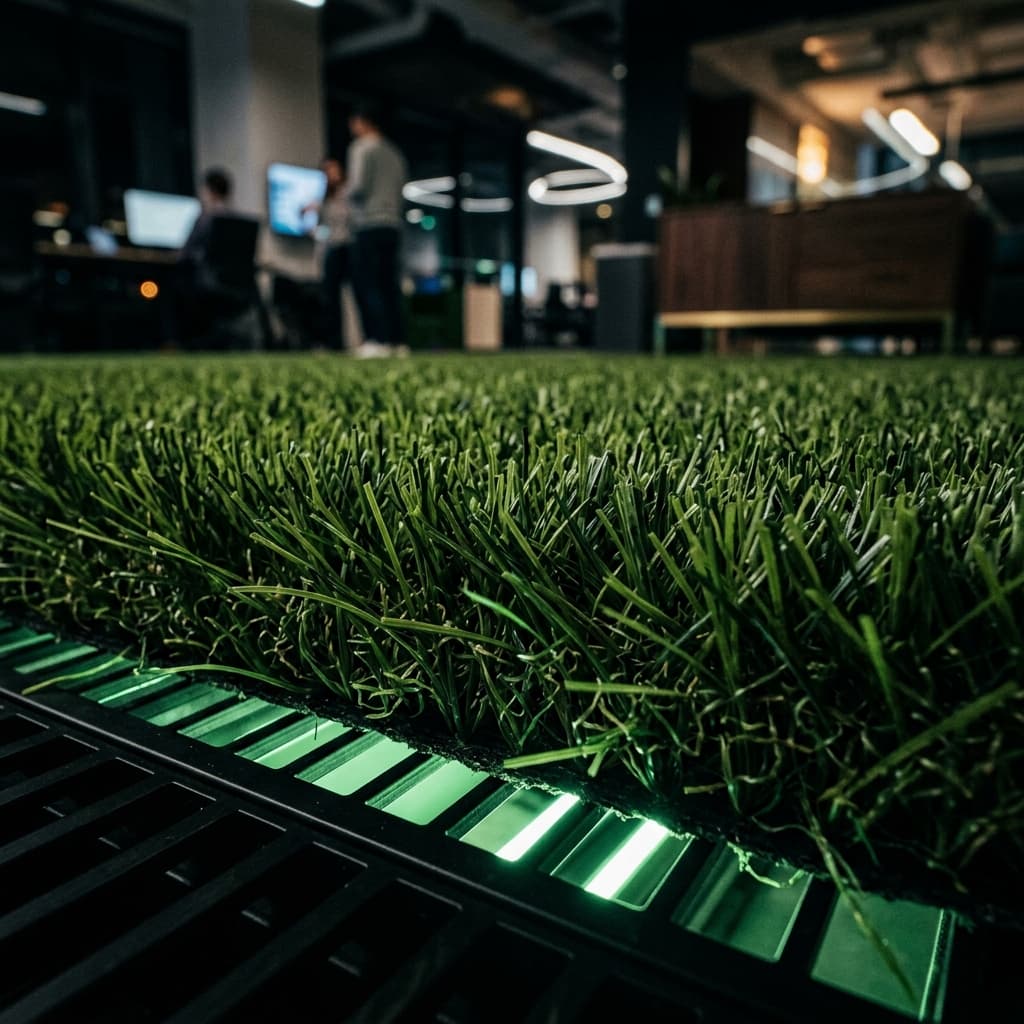
A rolled lip of turf along the gravel is a different mess from a gopher mound. This edge is peeled back. The planting bed beside it is pitted, the soil from those pits is scattered on the blades, and a pet bowl that was on the lawn is on its side. The air at the seam smells musky.
The week of Thanksgiving is when that lip shows up on artificial turf in Tanque Verde. Yards there back onto washes and planted beds. The same edge shows up where turf meets desert landscaping in the Catalina Foothills, along the open lots in Oro Valley, and on the wash sides of Vail and Dove Mountain. The herd came for the bed and for whatever the holiday left outside.
1. The Animal at the Seam Is a Peccary
Saguaro National Park's javelina page says this animal is a collared peccary, Pecari tajacu. Peccaries look like pigs and are a different family. Eyesight is poor. Smell is excellent. A scent gland just above the short tail gives off a strong musky odor, and herd mates rub that gland so they recognize each other. The page puts the average herd at 12. Two hooves on each foot are the tracks that commonly show.
They are active during the cooler parts of the day. In summer that means early morning and early evening. Late November is the cool season in Tucson, so a herd on the edge in daylight fits that description.
2. Roots in the Bed, Beans in the Sand
The park page says they are chiefly vegetarian. The foods it names include cactus pads and fruit, agave hearts, mesquite beans, jojoba nuts, roots, and flowers. Prickly pear is a favorite. The nose is how they find roots underground.
Those roots sit in the irrigated bed. The plastic is not on the food list. A lip rolls because the digging is in the gravel at the seam, and the turf comes up with the soil. Beans already in the pile are food they can smell. How those pods get into the infill is in our guide to mesquite beans and palo verde pods.
A yard visit does specific damage. The park page says javelinas tear up flowerbeds and get into garbage. Hand feeding makes them lose their fear of people. A baby that looks abandoned should stay where it is. The mother was likely frightened off, and she comes back when you leave. The herd defends the young.
3. Thanksgiving Scraps Are the Meal on the Lawn
The University of Arizona Cooperative Extension publication Potential Wildlife Conflicts (Cori Dolan and Bill Mannan, az1481c, October 2009) says the root of most human-wildlife conflict is food. Intentionally feeding, attracting, or enticing wildlife, except birds and tree squirrels, is a petty offense in Pima and Maricopa Counties under the No Feeding Wildlife Law. The publication says a violation can result in a fine up to $300. Tucson is in Pima County.
The sheet names what draws a javelina in: pet food, edible garbage, and bird seed on the ground. Feed pets indoors, or take leftovers inside immediately. Store garbage so it stays closed. Keep bird seed and water off the ground. A tray under the feeder catches spill, and the sheet says to put out only what birds will finish quickly.
Thanksgiving week puts those items on the lawn without anyone calling it feeding. The guest dog's bowl stays on the turf because the patio is the table. A pan of scraps sits by the slider. The trash can goes out the night before pickup and stands on the grass because the driveway is full of cars. That is still food.
Bulbs in the bed are food too. The sheet says to plant iris and narcissus, which javelina tend to leave, instead of tulips, which they eat. Digging those bulbs is how the lip comes up.
4. Read the Edge Before You Nail It
Part the blades along the seam and look at the bed.
- A pitted bed, a rolled lip, two-hoof tracks, and a musky smell mean the herd was at the edge.
- A fan of soil that came up through the lawn, with a plug in the middle and the edge still fastened, is a pocket gopher. That pattern is in our guide to pocket gophers under artificial turf.
- A knocked bowl, seed under the feeder, or an open bag of scraps, with the backing still flat, means the herd fed and left. The soil on the blades is loose.
- Backing that is torn, or a lip pulled so the nails have ripped through, is a repair. Brushing pushes sand into the opening.
Loose soil on intact turf can be lifted. A hose turns it into mud in the infill.
5. Clear the Food Before the Next Cool Evening
Do this while the herd is gone. The extension sheet Javelinas (Jeff Schalau, Backyard Gardener #32, August 30, 2022) says pet dogs are often viewed as predators and can be seriously injured or killed. Keep the dog inside. If a javelina feels cornered, or if young are in the yard, the park page says it can act aggressively toward people or pets.
That sheet says the most effective exclusion is a sturdy fence four feet tall. Food and water attract them. Feed pets indoors. Seed on the ground brings a herd in, and the sheet says to skip inexpensive mixes with a lot of milo, because that seed ends up scattered. They are a game animal and may not be harmed or hunted without a valid license.
The conflict sheet lists vinegar spray, a garden hose, small rocks, noises, or movement as ways to scare a herd that is already there. On turf, start with noise and movement, from a spot you can leave. A hose throws water across the soil on the blades, and that slurry settles into the weep holes. Vinegar on the pile is a residue in the sand. Let a herd that is walking out keep going.
After the yard is empty:
- Bring every pet bowl and water dish inside.
- Put scraps in a can with a lid, and set the can out the morning of pickup, off the turf.
- Sweep seed off the blades. Move a feeder that hangs over the lawn, or add a tray.
- Replant with iris or narcissus when you redo the bed. Those are the bulbs the conflict sheet names.
- Leave the rolled lip unstaked. A landscape spike through the backing is a new hole. Fastening an edge belongs to the installer who set the perimeter.
6. When the Soil Is Already on the Blades
If the lip is torn or the perimeter has pulled free, stop brushing that spot. Say "javelina edge" when you request a quote. Cleaning does not sew a backing and does not reset a nailer. If the backing is down and the damage is soil, seed, and a flat lane from hoof traffic, that layer can be opened and lifted.
Artificial turf cleaning is that visit. On the desert-edge lawns in Oro Valley, artificial turf cleaning after a herd is the soil on the blades plus the dust already in the same sand. Book it after the bowls and the scraps are inside. A cleaning does not keep the next herd out. The fence, and the food you take in, do that.
A single dirty strip along one bed, with the rest of the lawn still upright, fits the service packages. The Turf Tune-Up starts at $150 and Refresh+ at $195, each up to 300 square feet. A yard on a wash that sees the herd every cool season stays ahead of the next pass on a maintenance plan.
What Not to Do
- Do not set scraps or an open trash bag on the turf.
- Do not leave a pet bowl or a water dish on the lawn overnight.
- Do not hang a feeder where the spill lands in the infill.
- Do not send a dog toward the herd, and do not approach a baby.
- Do not hose the soil into the pile, and do not soak the blades with vinegar.
- Do not stake the lip down, and do not brush a torn seam.
- Do not try to harm the herd. The extension sheet says they may not be harmed or hunted without a valid license.
If the edge in Tanque Verde, Oro Valley, Vail, Dove Mountain, or anywhere else in the Tucson metro is already rolled or scattered with soil, say whether the backing is torn or only dirty when you call 520-248-3478.
Frequently Asked Questions
Do javelina eat artificial turf?
The Saguaro National Park page lists roots, cactus, mesquite beans, and flowers. The plastic is not on that list. They root the bed beside the lawn, and the turf lip comes up with that soil. Dirt they kick onto the blades is what a cleaning lifts.
Will a hose wash javelina dirt out of the turf?
Water drives that soil into the weep holes. The extension lists a garden hose as one way to scare a herd, along with noises and movement. Use the noise, from a place you can leave. Leave the pile dry, then lift the loose soil or have it extracted.
Can my dog chase a javelina off the lawn?
Bring the dog inside. The extension sheet says pet dogs are often viewed as predators and can be seriously injured or killed. The park page says a javelina can act aggressively when it feels cornered or is protecting its young. Leave a baby where it is. The mother comes back when you leave.
Who fixes a turf edge a herd rolled up?
If the backing is whole and the lip only flipped, the installer who set the perimeter can fasten it. If the seam is torn or the nails ripped through, that is a repair, and brushing works more sand into the opening. Soil on blades that are still attached is a cleaning. Say "javelina edge" when you book, and get the bowls and the scraps off the lawn first.
Veteran-owned and operated synthetic grass restoration specialists serving Tucson, Oro Valley, Marana, Catalina Foothills, Sahuarita, and all of Pima County, AZ. Backed by our 7-Day 100% Odor Elimination Guarantee.