Best Infill for Artificial Turf With Dogs: Silica Sand vs. Antimicrobial & Zeolite
Not all artificial turf infill is created equal for pet owners. Compare standard silica sand, zeolite, and acrylic-coated antimicrobial infill for Tucson dog yards.
Key Takeaways & Quick Summary
- Standard uncoated silica sand is porous and absorbs dog urine, accelerating ammonia odor buildup in Tucson's heat.
- Zeolite infill traps ammonia ions initially but becomes saturated over time and can clump into mud if not maintained.
- Acrylic-coated antimicrobial sand (such as Envirofill or Wonderfill) is non-absorbent and inhibits bacterial growth.
- Even the best pet infill requires periodic bio-enzymatic extraction to clean the turf backing and crushed stone sub-base.
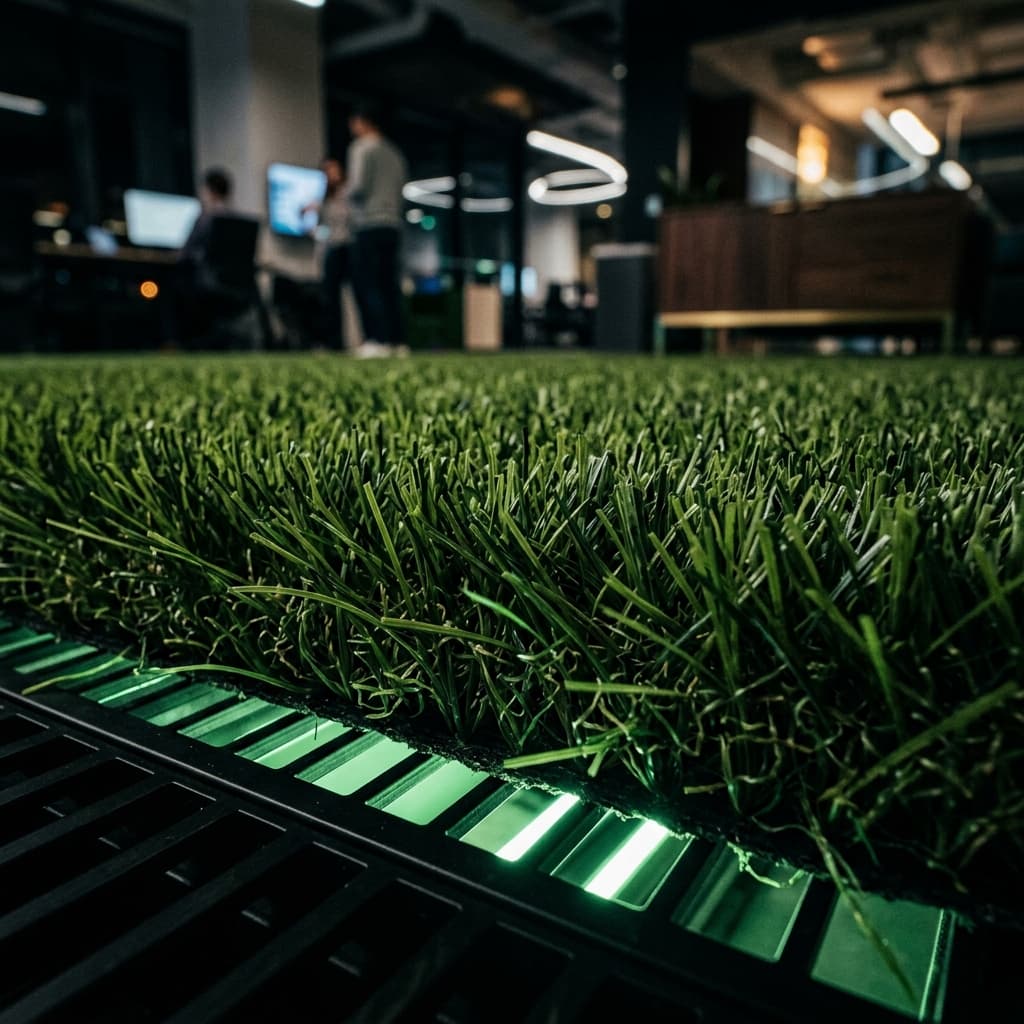
When homeowners in Tucson, Oro Valley, or Sahuarita install synthetic grass, the contractor spreads thousands of pounds of granular infill into the turf pile. Infill weighs down the carpet, holds grass blades upright, protects the backing from UV rays, and gives the lawn a natural underfoot feel.
However, if you have dogs, the type of infill inside your turf determines how quickly odors develop—and how you should maintain it. Here is an honest breakdown of the three most common turf infills in Southern Arizona.
1. Uncoated Sub-Angular Silica Sand (The Builder Standard)
Because it is inexpensive, standard silica sand is installed in roughly 75% of residential backyards across Marana, Rita Ranch, and Drexel Heights.
- Pros: Affordable, heavy enough to prevent wrinkling, and widely available.
- Cons for Dog Owners: Uncoated silica sand has microscopic pores and rough edges that absorb liquid dog urine like a sponge. As the water evaporates in the Tucson sun, uric acid crystals lock onto the sand grains, creating stubborn ammonia smells.
- How to Maintain It: If your yard has standard silica sand and dogs, schedule quarterly or bi-monthly Pet Turf Cleaning and Turf Deodorizing so our bio-enzymes can flush and digest the crystals before they cement the sand together.
2. Natural Zeolite (Volcanic Mineral Infill)
Zeolite is a negatively charged volcanic mineral often marketed as a "odor-absorbing" pet infill.
- Pros: Naturally attracts and binds positively charged ammonium ions from pet urine, reducing odors during the first several months.
- Cons for Dog Owners: Think of zeolite like a water filter—once its pores are full of ammonia, it stops absorbing new odors unless properly regenerated and flushed. Furthermore, softer zeolite granules can break down under heavy foot traffic and monsoon moisture.
- How to Maintain It: Periodic deep extraction and enzymatic flushing clears saturated organic buildup so your pet yard stays fresh.
3. Acrylic-Coated Antimicrobial Sand (The Gold Standard for Pets)
Premium coated infills encapsulate rounded quartz sand inside a non-porous, antimicrobial acrylic shell.
- Pros: Because the grains are sealed and non-absorbent, dog urine cannot soak into the sand itself. Theinfused antimicrobial agent actively inhibits bacterial and mold growth.
- Cons: Higher upfront material cost than standard silica sand.
- How to Maintain It: Even with antimicrobial infill, urine still passes through the turf thatch and primary backing into the crushed granite sub-base. Pairing antimicrobial infill with our Quarterly Hero Club Maintenance Plan delivers a 100% odor-free yard year-round.
Does Your Turf Need an Infill Top-Off?
Over 2 to 4 years of monsoon storms, leaf blowing, and dog zoomies, every synthetic lawn loses infill depth. When infill is depleted, grass blades lie flat, mat down, and split under Arizona's UV rays.
Our Ultimate Restoration Package ($375 up to 300 sq. ft.) includes deep rotary power brooming, bio-enzymatic odor annihilation, weed prevention, cooling treatment, and an infill top-off. Learn more on our Turf Maintenance page or request a free quote for your yard in Tucson, Catalina Foothills, or Green Valley!
Frequently Asked Questions
If I have antimicrobial infill, do I still need professional pet turf cleaning?
Yes. While antimicrobial infill prevents urine from soaking into the sand grains themselves, liquid urine still coats the turf blades, thatch layer, primary backing, and crushed rock sub-base underneath. Routine bio-enzymatic flushing keeps the entire system odor-free.
How do I know if my artificial turf needs an infill top-off?
Part the grass blades with your fingers. Ideally, only the top 0.5 to 0.75 inches of the blades should be exposed above the infill. If you can easily see the black woven backing or the blades flop sideways, your turf needs an infill top-off.
Veteran-owned and operated synthetic grass restoration specialists serving Tucson, Oro Valley, Marana, Catalina Foothills, Sahuarita, and all of Pima County, AZ. Backed by our 7-Day 100% Odor Elimination Guarantee.